
Master property policy
Buildings and common elements at replacement cost, with building code upgrade coverage, wind and hail terms, and water damage deductibles your owners can live with.
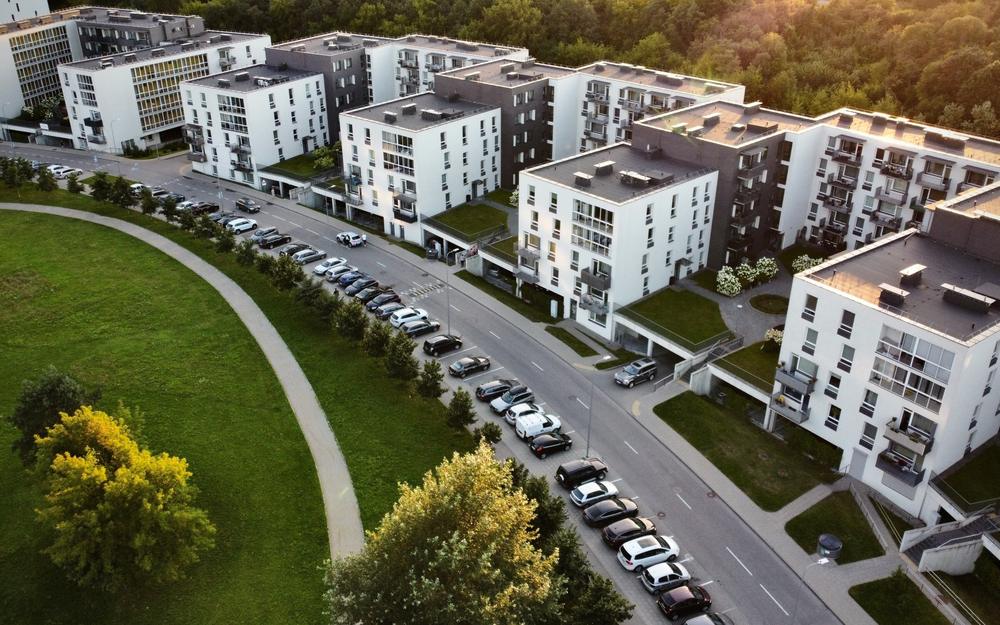
Master property, general liability, directors & officers, and fidelity coverage for condominium, townhome, and homeowners associations, reviewed against Illinois law and your declaration.
Condo and HOA boards are volunteers making decisions about some of the most expensive buildings in Illinois. A gap in the master policy, a building insured below its rebuild cost, or a deductible no one understood can turn into a special assessment and an angry owners' meeting.
We review your current program against the Illinois Condominium Property Act (or the Common Interest Community Association Act for many townhome and single-family HOAs), your declaration and bylaws, and what your owners and their lenders need. Then we explain the options in language you can take straight to the board.
Premium just went up? Read why condo association insurance is rising, and what boards can do.
Section 12 of the Illinois Condominium Property Act sets minimum insurance for condominium associations. In summary:
This is a plain-language summary, not legal advice. Your declaration, bylaws, and association attorney have the final word, and townhome and single-family HOAs may follow different rules.
Buildings and common elements at replacement cost, with building code upgrade coverage, wind and hail terms, and water damage deductibles your owners can live with.
Slip-and-falls on common sidewalks, stairs, pools, and parking areas, plus coverage for the board, the association, and your management company.
Protection for volunteer board members when owners challenge decisions on assessments, rules, contracts, or how the building is managed.
Coverage for association funds and reserves if money is stolen by an employee, board member, or management company.
Extra limits above general liability. Important for high-rises, larger communities, and associations with pools or fitness rooms.
Boilers, elevators, chillers, and electrical systems. A single failure in an Illinois winter can mean emergency repairs and displaced residents.
Water that backs up through floor drains and sewer lines during heavy storms. Often limited or excluded unless it's added.
Required if the association has employees, like a building engineer or door staff, and sometimes required by the declaration.
Owners need proof of the master policy to close and refinance. We handle certificate requests so your manager doesn't have to.
Frozen pipes, failed supply lines, and leaks from the unit above are among the most common association claims. The declaration should be clear on who pays the deductible and when.
Vintage masonry courtyard buildings and older high-rises can cost far more to rebuild than their market value suggests. We check insurance-to-value so a large loss isn't underinsured.
After a major loss, the city can require upgrades to sprinklers, electrical, or accessibility. Building code upgrade coverage helps pay for them, and Illinois sets a minimum for it.
Intense summer storms can overwhelm sewers and send water back through basement and garage drains. Confirm whether your policy covers it and at what limit.
Wood back porches are a Chicago feature, and a liability exposure if they aren't inspected and maintained. Carriers often ask about their age and condition.
Higher wind, hail, and water deductibles lower the premium but shift cost to the association or owners. Owners should know about loss assessment coverage on their HO-6.
The association's policy protects the building. Each owner still needs an HO-6 condo policy for their belongings, their personal liability, improvements the master policy doesn't include, and living expenses if they can't stay in the unit after a loss.
Owners should also ask about loss assessment coverage, which can help pay their share when the association charges owners for a large deductible or an uninsured loss. See master policy vs. HO-6.
Need proof of the master policy for a closing or refinance? Request a certificate.
Under the Illinois Condominium Property Act, the association's property policy covers the common elements and the units, including the bare walls, floors, and ceilings, unless the board decides otherwise. Coverage for owners' improvements and betterments, like upgraded kitchens or flooring, is optional for the association. Your declaration controls the details, and owners need their own HO-6 policy for what the master policy doesn't cover.
Illinois requires D&O coverage at a level the board deems reasonable, unless your declaration or bylaws set an amount. The right limit depends on the size of the association, its budget and reserves, and how often the board makes decisions owners could challenge. We'll show you the options side by side.
Illinois lets the board treat deductibles as a common expense, assess them against owners responsible for the loss after notice and a hearing, or require affected owners to pay them. Your declaration and rules should spell out which approach your association uses. If they don't, it's worth fixing before the next claim.
Market value and replacement cost are different numbers. Illinois requires the property policy to be written for the full insurable replacement cost, and construction costs change every year. We compare your building limits to current rebuild costs at every renewal and recommend an updated appraisal when it's been a while. See insurance-to-value explained.
Not exactly. Many Illinois townhome and single-family associations fall under the Common Interest Community Association Act instead of the Condominium Property Act, and their insurance duties come largely from their own community instruments. Larger associations under that Act generally must carry fidelity coverage. We'll review your documents to see what applies.
This page is general information, not legal advice. Coverage depends on the terms of each policy and is subject to underwriting approval.
Request a no-obligation review of your master policy, D&O, and fidelity coverage.