
Office buildings
Single-tenant and multi-tenant offices, medical office buildings, and professional suites.
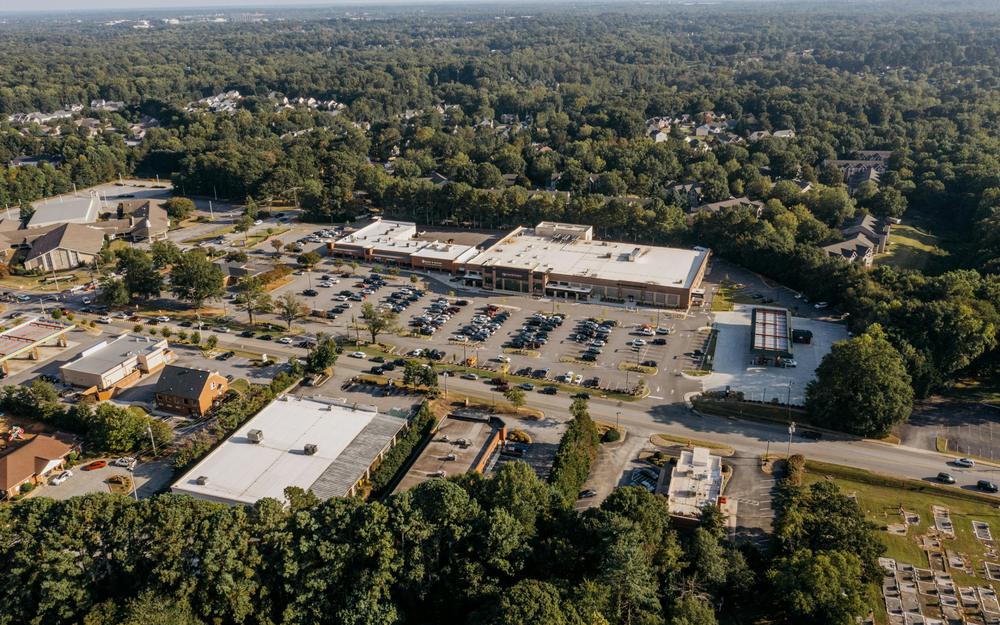
Lessor's risk property and liability coverage for office buildings, retail and strip centers, shopping malls, mixed-use storefronts, and light industrial buildings you lease to tenants.
Commercial real estate insurance protects buildings you own as an investment and lease to businesses: offices, retail, mixed-use, and industrial space. When you lease the space out instead of operating there, it's usually written on a lessor's risk only (LRO) basis.
Done right, your insurance, your tenants' insurance, and your leases all line up, so a claim lands on the right policy instead of on you. We review all three together.
Lessor's risk is built for the owner's side of a leased building. A typical program includes:
Lessor's risk applies to most commercial buildings you lease out, including:
Single-tenant and multi-tenant offices, medical office buildings, and professional suites.
Neighborhood centers, outlots, and storefront rows with a mix of retail, service, and restaurant tenants.
Larger retail properties with common areas, parking structures, and many tenants to track.
Chicago's classic storefront with apartments above, where commercial and residential risks share one building.
Warehouses, flex space, and light manufacturing buildings leased to one or more tenants.
Buildings leased to one tenant on a net lease, where the lease decides who insures what.
Replacement cost coverage for the building, parking structures, and signs, with limits checked against current rebuild costs.
Replaces rent from tenants who can't operate while the building is repaired after a covered loss.
Pays for code-required upgrades and demolition when an older commercial building is repaired or rebuilt.
Your liability as owner for the building, parking lots, sidewalks, and common areas your tenants and their customers use.
Extra limits above your general liability. Common for larger centers and often required by lenders.
HVAC, rooftop units, elevators, and electrical systems that tenants depend on to stay open.
The insurance section of each lease decides who pays when something goes wrong. We review it alongside your policy and look for:
Slip-and-falls on lots and sidewalks are a leading liability claim for retail centers. Snow removal contracts should require the contractor to carry insurance and name you as an additional insured.
Older flat roofs on strip centers and industrial buildings face ponding, leaks, and heavy snow. Roof age and condition weigh heavily in underwriting.
A restaurant with a commercial kitchen, a bar, or a fitness studio changes the fire and liability picture for the whole building. Underwriters ask about every tenant.
Empty space changes coverage. Many policies restrict it when a building is mostly vacant for a set period, commonly 60 days. Tell us about significant vacancy early.
Residential units over retail add habitational exposure. The policy has to fit both, and not every carrier writes both.
Repairing an older commercial building can trigger code upgrades. Ordinance or law coverage helps pay for work the city requires.
Lessor's risk only (LRO) is coverage for a building owner who leases the space to tenants rather than running a business there. It covers your liability as owner for the building and common areas, usually alongside property coverage for the building itself, while tenants carry insurance for their own operations.
Lessor's risk is the most common way commercial real estate is insured when the owner leases the building to tenants. A full commercial real estate program usually pairs lessor's risk liability with building property, loss of rents, umbrella, and equipment breakdown coverage.
Lessor's risk is written for buildings leased to others. If you or your business occupy part of the building, the policy may need a different classification or additional coverage for your operations. Carriers handle owner occupancy differently, so tell us up front.
Yes. Tenants should carry general liability for their operations and property coverage for their own contents and improvements, as your lease requires. Your lease should also require them to name you as an additional insured and to provide certificates of insurance.
Under many triple net leases the landlord buys the building insurance and passes the cost through to tenants, but some leases require the tenant to insure the building. The lease controls, so we review it before structuring coverage.
Many property policies restrict coverage if a building is mostly vacant for a set period, commonly 60 days. Let us know about significant vacancy so coverage can be adjusted before a loss, not after. See vacant building insurance explained.
This page is general information, not legal advice. Coverage depends on the terms of each policy and is subject to underwriting approval.
Request a no-obligation review of your commercial property coverage.